
Vitamin K: a potential missing link in critical illness–a scoping review

Vitamin K is increasingly recognized as far more than a vitamin involved in blood clotting alone. Growing attention is being paid to the important role of nutrition and micronutrients in recovery, resilience, and long-term health, particularly in critically ill patients. Among these micronutrients, vitamin K may represent an overlooked but potentially crucial factor.
Beyond its well-known role in coagulation, vitamin K is involved in bone metabolism, cardiovascular health, antioxidative defense mechanisms, and tissue repair. In patients admitted to the intensive care unit (ICU), vitamin K deficiency may have important clinical consequences. Critically ill patients are especially vulnerable due to malnutrition, impaired intestinal absorption, antibiotic use, and the increased physiological demands associated with severe illness.
Low vitamin K levels can impair normal coagulation and increase the risk of uncontrolled bleeding, potentially complicating recovery. In addition, emerging evidence suggests that vitamin K deficiency may contribute to microbleeding in the lungs. These subtle hemorrhages may trigger oxidative stress and diffuse alveolar bleeding, processes that could potentially contribute to the development of pulmonary fibrosis.
The review published in Critical Care provides, for the first time, a comprehensive overview of vitamin K metabolism during critical illness, the clinical consequences of deficiency, and potential diagnostic and therapeutic approaches. The authors also highlight the importance of individualized nutritional strategies and call for further research into optimal dosing and administration methods for vitamin K supplementation in ICU patients.
Key findings:
- Critically ill patients are at increased risk of vitamin K deficiency due to malnutrition, impaired absorption, and increased physiological demands.
- Vitamin K supplementation may improve vitamin K status, although achieving full normalization remains challenging.
- Vitamin K deficiency is associated with prolonged ICU stay, increased need for mechanical ventilation, and higher mortality.
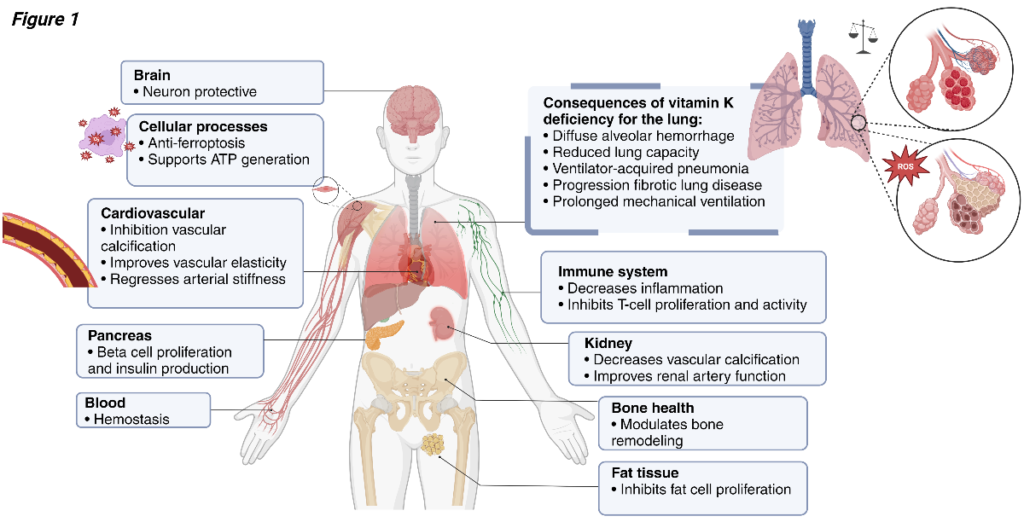 Figure 1: The role of vitamin K in the body and the impact of vitamin K deficiency on the lungs