 EN
ENVitamin K: a potential missing link in critical illness–a scoping review

Vitamin K is essential for blood coagulation, supporting bone health and cardiovascular function, as well as antioxidant processes. A deficiency in vitamin K has a significant impact on the recovery of ICU patients. Low vitamin K levels impair blood clotting and increase the risk of uncontrolled bleeding, which can be critical for patient recovery. In addition, there is an increased risk of microbleeding in the lungs, which may lead to diffuse alveolar hemorrhage—a potential trigger for the development of pulmonary fibrosis due to the induction of oxidative stress.
This review in Critical Care provides, for the first time, a comprehensive overview of the complex metabolism of vitamin K, the consequences of vitamin K deficiency, and offers guidance for clinical diagnosis and treatment in ICU patients. It also highlights the need for individualized nutritional strategies and further research into optimal dosing and administration methods.
Key findings:
- ICU patients are at risk of vitamin K deficiency due to factors such as malnutrition, impaired absorption, and increased physiological demands.
- Supplementation can improve vitamin K status, but normalization remains challenging.
- Vitamin K deficiency is associated with longer ICU stays, mechanical ventilation, and increased mortality.
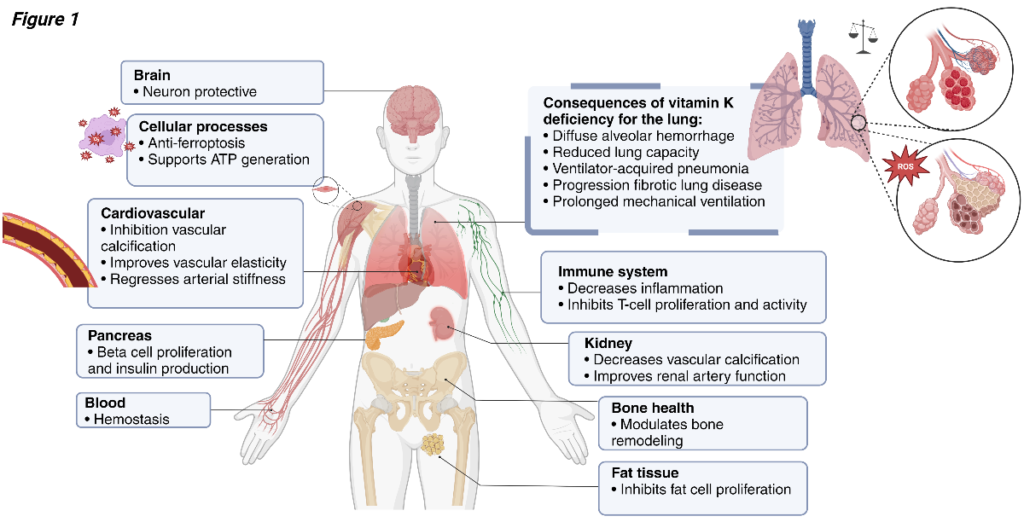
Figure 1: The role of vitamin K in the body and the impact of vitamin K deficiency on the lungs